What You Need to Know About Exporting to Africa
Local import rules are decisive when entering African markets. The ECTN is the requirement exporters overlook most often.
Exporting to Africa: The Essentials
Entering African markets offers major growth potential in global trade. To make the most of these opportunities, however, understanding local import regulations is critical. One of the most important documents exporters frequently overlook is the Electronic Cargo Tracking Note (ECTN). In this guide, we look at the role the ECTN plays in ensuring smooth entry into African trade.
Countries That Require the ECTN
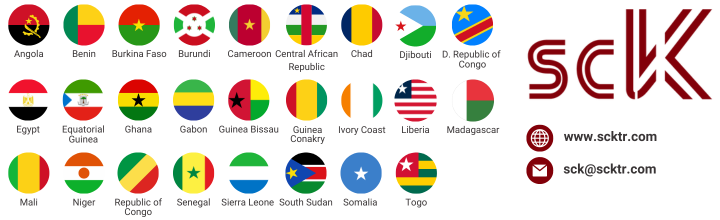
The ECTN (Electronic Cargo Tracking Note) is a mandatory compliance document for many African countries. As of 2025, it is required for shipments to African countries such as Angola, Benin, Burkina Faso, Burundi, Chad, Djibouti, Democratic Republic of the Congo, Egypt, Equatorial Guinea, Gabon, Ghana, Guinea-Bissau, Guinea Conakry, Côte d’Ivoire, Cameroon, Republic of Congo, Liberia, Madagascar, Mali, Niger, Central African Republic, Senegal, Sierra Leone, South Sudan, Somalia, Togo and Yemen.
The ECTN ensures that all information about the shipped cargo is shared transparently with the ports of destination, which helps speed up customs procedures.
Strategic Advantages of the ECTN
- Avoid Delays: Exporters who obtain an ECTN have their shipments approved in advance, minimising waiting times at ports and avoiding extra costs.
- Reduce Risks: The ECTN makes cargo tracking easier and verifies shipment details, minimising disputes and losses.
- Gain a Competitive Edge: Managing ECTN procedures efficiently makes you a reliable trading partner in the African market.
How to Obtain an ECTN
- Determine the Requirement: Not every African country requires an ECTN. First, check whether the country you are exporting to requires this document.
- Choose an Authorised Representative: Working with an official agent that facilitates the ECTN process is critical. By working with an authorised representative such as SCK Representation, you can make sure the process is compliant and smooth.
- Prepare the Required Documents: Documents such as commercial invoices, bills of lading and transport details are required. Submitting incorrect or incomplete information can cause delays. You can contact SCK Representation for detailed information on the destination country’s regulations.
- Submit Your Application and Follow the Process: After submitting your documents, follow the progress of the process closely. Early intervention is critical to preventing possible delays.
Key Tips for the ECTN
- Apply Early: Complete your ECTN application before the shipment date to guard against delays.
- Understand Local Regulations: Each African country may have different requirements. Shaping your strategy accordingly lets you manage the process more efficiently.
- Use Digital Solutions: Software solutions such as SCK Forms make it easier to create, submit and track ECTN documents.
Conclusion
As trade routes in Africa expand, the regulatory environment is becoming more complex. The ECTN is not only a requirement but also a critical tool for smooth entry into the African market. By understanding the ECTN, you can strengthen your export strategy and position your business successfully in African markets.
Since 2001, SCK Representation has provided exporters and logistics companies with professional support in obtaining the ECTN. Contact us for a fast and smooth shipping process!
Get Your Certificate
Apply for your ECTN / BESC certificate now. Fast draft, no hidden fees.